
The Latest
Startups
A US Trustee wants troubled fintech Synapse to be liquidated via Chapter 7 bankruptcy, cites ‘gross mismanagement’
10 hours ago
The prospects for troubled banking-as-a-service startup Synapse have gone from bad to worse this week after a United States Trustee filed an emergency motion on Wednesday. The trustee is asking…

U.K.-based Seraphim Space is spinning up its 13th accelerator program, with nine participating companies working on a range of tech from propulsion to in-space manufacturing and space situational awareness. The…

OpenAI has reached a deal with Reddit to use the social news site’s data for training AI models. In a blog post on OpenAI’s press relations site, the company said…

X users will now be able to discover posts from new Communities that are trending directly from an Explore tab within the section.

For Mark Zuckerberg’s 40th birthday, his wife got him a photoshoot. Zuckerberg gives the camera a sly smile as he sits amid a carefully crafted re-creation of his childhood bedroom.…

AI
Strava taps AI to weed out leaderboard cheats, unveils ‘family’ plan, dark mode and more
15 hours ago
Strava announced a slew of features, including AI to weed out leaderboard cheats, a new ‘family’ subscription plan, dark mode and more.

We all fall down sometimes. Astronauts are no exception. You need to be in peak physical condition for space travel, but bulky space suits and lower gravity levels can be…

Microsoft will launch its custom Cobalt 100 chips to customers as a public preview at its Build conference next week, TechCrunch has learned. In an analyst briefing ahead of Build,…

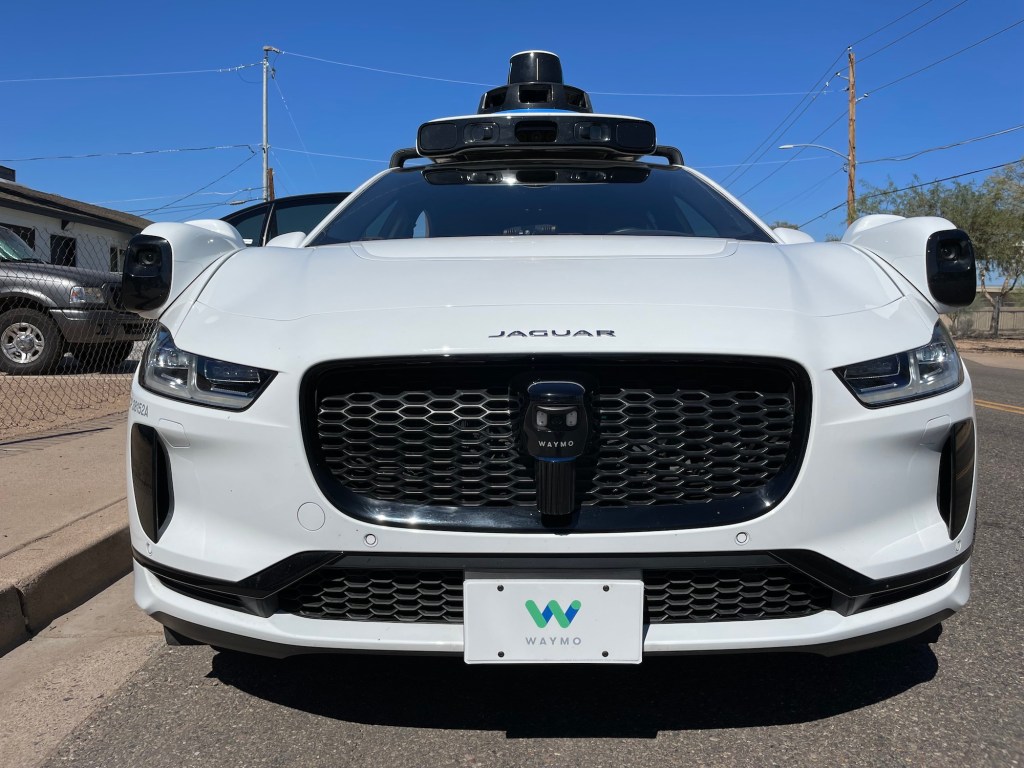
What a wild week for transportation news! It was a smorgasbord of news that seemed to touch every sector and theme in transportation.
Sony Music Group has sent letters to more than 700 tech companies and music streaming services to warn them not to use its music to train AI without explicit permission.…

Where we’ll be next
Oct 28th
TechCrunch Disrupt 2024
San Francisco, CA
Jun 11th
StrictlyVC – Washington, D.C.
Washington, D.C.
May 21st
StrictlyVC – London
London
Winston Chi, Butter’s founder and CEO, told TechCrunch that “most parties, including our investors and us, are making money” from the exit.

Fintech
Bolt founder Ryan Breslow wants to settle an investor lawsuit by returning $37 million worth of shares
16 hours ago
The investor lawsuit is related to Bolt securing a $30 million personal loan to Ryan Breslow, which was later defaulted on.

Enterprise
With the end of Workplace, it’s fair to wonder if Meta was ever serious about the enterprise
17 hours ago
Meta, the parent company of Facebook, launched an enterprise version of the prominent social network in 2015. It always seemed like a stretch for a company built on a consumer…
X, formerly Twitter, turned TweetDeck into X Pro and pushed it behind a paywall. But there is a new column-based social media tool in town, and it’s from Instagram Threads.…

As part of 2024’s Accessibility Awareness Day, Google is showing off some updates to Android that should be useful to folks with mobility or vision impairments. Project Gameface allows gamers…

Gadgets
TechCrunch Minute: Apple uses AI to make iPhones and iPads more accessible
9:00 AM PDT • May 16, 2024
Today is Global Accessibility Awareness Day — perfect timing for Apple to announce new features that should make iPhones and iPads more accessible for people…

A hacker listed the data allegedly breached from Samco on a known cybercrime forum.

A top European privacy watchdog is investigating following the recent breaches of Dell customers’ personal information, TechCrunch has learned. Ireland’s Data Protection Commission (DPC) deputy commissioner Graham Doyle confirmed to…

Ampere and Qualcomm aren’t the most obvious of partners. Both, after all, offer Arm-based chips for running data center servers (though Qualcomm’s largest market remains mobile). But as the two…

At Google’s I/O developer conference, the company made its case to developers — and to some extent, consumers — why its bets on AI are ahead of rivals. At the…
